
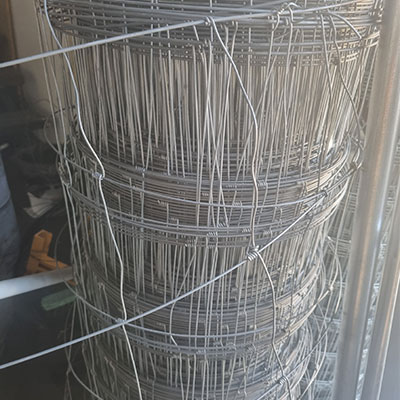
Hinge Joint Fencing Wire
Hot Dip Galvanised Hinge Joint Fencing – Reliable & Flexible Wire Fencing Solution
Hinge joint fencing is a versatile and cost-effective solution for livestock containment, property security, and wildlife management.
Designed with interlocking hinge joints, this woven wire fence provides superior flexibility, allowing it to withstand pressure from animals while maintaining its structural integrity.
The knot design enables the fence to absorb impact without breaking, making it ideal for undulating terrains and high-traffic areas.
Manufactured using high-tensile, galvanized steel (and then hot dip galvanised), hinge joint fencing is resistant to rust and corrosion, ensuring long-term durability with minimal maintenance.
Available in various heights and mesh spacings, it effectively contains cattle, sheep, goats, and other livestock while keeping predators and unwanted animals out.
Whether used for farm enclosures, deer fencing, or boundary protection, hinge joint fencing offers a reliable and long-lasting solution for all fencing needs.
Hot Dip Galvanising Rates:
Standard – 50 grams/sq metre
Heavy – minimum 215 grams/sq mtr
Description
Why Hot-Dipped Galvanised Hinge Joint Fencing Is a Smart Choice for Australian Farms
Fencing in Australia isn’t just about marking boundaries—it’s about protecting stock, securing paddocks, and creating reliable infrastructure that can withstand harsh weather, animal pressure, and years of wear. Among the many fencing options available, hinge joint fencing remains a popular and proven choice, especially for managing sheep, goats, and general farm use.
When paired with hot-dipped galvanised wire, hinge joint fencing becomes significantly more durable, weather-resistant, and cost-effective over time. It also provides a critical advantage in bushfire-prone areas, where fire-resistant materials can help preserve infrastructure and reduce recovery time after an emergency. For farmers and land managers seeking dependable, easy-to-install fencing that holds up across Australia’s tough environments, this combination is hard to beat.
What Is Hinge Joint Fencing?
Hinge joint fencing is a type of woven wire netting that connects horizontal line wires to vertical stay wires using flexible “hinge” knots. This design gives the fence some flexibility while still maintaining structure, allowing it to absorb the movement and pressure of livestock without breaking or permanently deforming.
Hinge joint fencing is widely used for:
-
Sheep and goat fencing
-
Internal paddock divisions
-
Low- to moderate-pressure cattle fencing
-
Protection from pests like kangaroos and wild dogs (when configured appropriately)
Its versatility and affordability make it a staple on many Australian farms.
The Value of Hot-Dipped Galvanising
While the hinge joint design offers flexibility and usability, the real difference in performance and longevity comes from the quality of the wire coating. Hot-dipped galvanised wire is far superior to standard zinc-sprayed or electroplated options.
Hot-dip galvanising involves immersing the finished wire in molten zinc, which coats every surface—including joints and twists—with a thick, bonded layer of corrosion-resistant metal.
Benefits include:
-
Longer lifespan, often 20–30 years depending on environmental exposure
-
Superior resistance to rust in coastal, wet, or acidic soils
-
Better performance at stress points, like knots and barbs
-
Lower maintenance, with fewer replacements or repairs needed
This level of protection is particularly important in Australia, where fences are exposed year-round to UV radiation, rain, livestock waste, and shifting soils.
Built for Flexibility and Strength
One of the key advantages of hinge joint fencing is its ability to flex without failing. The hinge knot allows the fence to absorb impact—whether from sheep pushing against it or kangaroos attempting to pass through—without snapping wires or pulling the structure out of shape. This makes it a low-risk, high-resilience option for areas with mixed animal traffic or uneven terrain.
When made with high tensile hot-dipped galvanised wire, hinge joint fencing becomes even stronger. It can maintain tension over longer distances with fewer posts, while resisting sagging or distortion—helping to keep fences straight, upright, and functional for years.
Fire Resistance in the Australian Landscape
One of the often-overlooked advantages of hot-dipped galvanised fencing is its natural resistance to fire damage. In Australia, bushfires pose a serious risk to rural infrastructure. Fencing made from timber or light-gauge, untreated steel is often destroyed during fire events, leading to costly and time-consuming repairs.
Hot-dipped galvanised wire, however, holds up far better under extreme heat. The thick zinc coating acts as a thermal barrier, slowing heat transfer and helping the steel core retain its strength and shape. After a fire, many galvanised fences remain intact or require only minimal repairs—allowing farmers to quickly regain stock control and reduce post-fire losses.
This added resilience makes hot-dipped galvanised hinge joint fencing a particularly smart investment for properties in fire-prone regions.
Ease of Installation
Hinge joint fencing is designed to be easy to install, even for one- or two-person crews. It’s lighter than rigid fencing types and rolls out efficiently along fence lines. The hinge joints make it easier to follow the natural contours of the land, requiring less adjustment and groundwork.
In practical terms, this translates to:
-
Faster fence builds
-
Lower labour costs
-
Reduced need for bracing or extra supports
-
Easier transport and handling in the field
For large fencing projects or seasonal work, these time savings and efficiencies can be significant.
A Cost-Effective Solution That Lasts
While hinge joint fencing is generally more affordable upfront than fixed knot or steel panel fencing, its true value is realised when paired with hot-dipped galvanised wire. This combination offers an ideal balance of flexibility, strength, corrosion resistance, and fire durability—all at a competitive cost.
Whether you’re dividing paddocks, containing sheep, or setting up fencing in remote terrain, this solution delivers lasting reliability with less need for repairs or replacements over time.
For Australian landholders seeking fencing that is flexible, strong, weather- and fire-resistant, and easy to install, hot-dipped galvanised hinge joint fencing offers one of the most practical and cost-effective solutions available.
It meets the demands of stock control, resists corrosion in tough conditions, and stands up to the increasing threat of bushfires. Whether you’re fencing 10 hectares or 10,000, investing in quality materials like these helps ensure the job is done once—and done right.
Additional information
| Weight | N/A |
|---|---|
| Dimensions | N/A |
| SIZE | 7-90-30 / 2mm – Heavy Hot Dip Galvanised – 200mtrs, 7-90-30 HD /2.5mm – Heavy Hot Dip Galvanised – 200mtrs, 8-90-15 / 2mm – Standard Hot Dip Galvanised – 100mtrs, 8-90-15 HD / 2.5mm – Heavy Hot Dip Galvanised – 100mtrs, 8-115-15 /2mm – Standard Hot Dip Galvanised – 100mtrs, 10-90-5 / 2.5mm – Heavy Hot Dip Galvanised – 50mtrs, 10-120-15 / 2mm – Heavy Hot Dip Galvanised – 100mtrs, 13-115-15 / 2mm – Heavy Hot Dip Galvanised – 100mtrs, 13-120-5 / 2.5mm – Heavy Hot Dip Galvanised – 50mtrs, 15-150-15 / 2mm – Heavy Hot Dip Galvanised – 100mtrs |
Related products
-
Sale!

Fixed Knot Fencing Wire
Original price was: $317.00.$280.00Current price is: $280.00.Select options This product has multiple variants. The options may be chosen on the product page -
Sale!
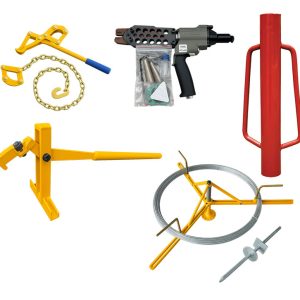
Fencing Tools
Price range: $80.00 through $475.00Select options This product has multiple variants. The options may be chosen on the product page -
Sale!

Barbed Wire – IOWA / High Tensile
Price range: $95.00 through $125.00Select options This product has multiple variants. The options may be chosen on the product page -
Sale!

Strand Wire – Plain & High Tensile
Price range: $20.00 through $177.00Select options This product has multiple variants. The options may be chosen on the product page